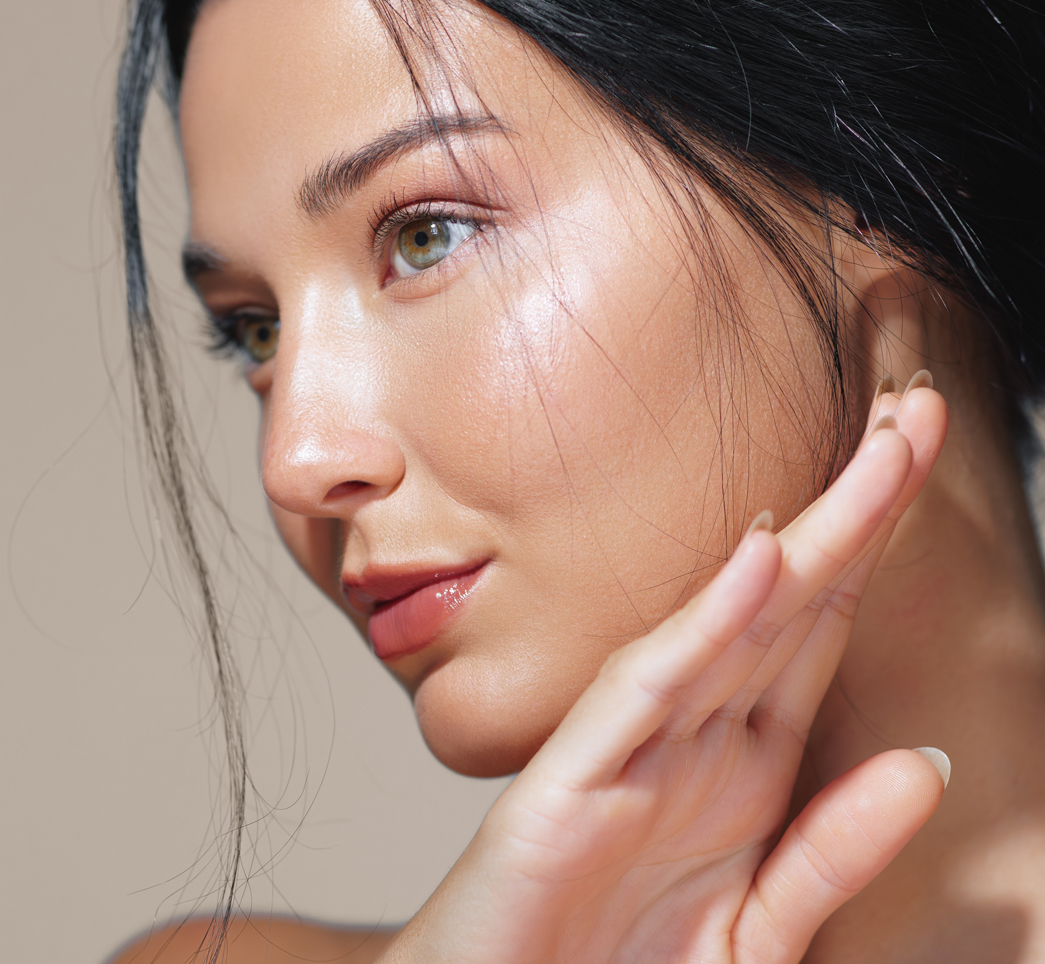
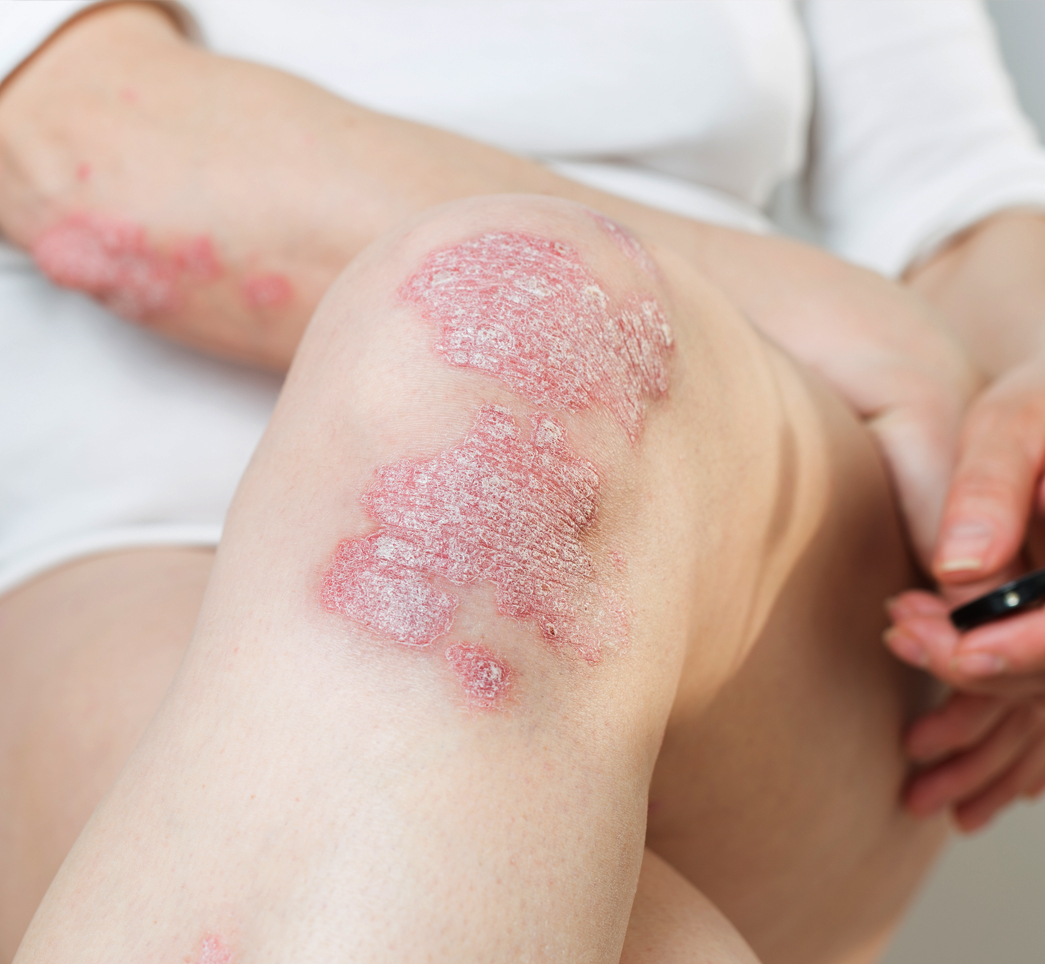
What Seborrheic Dermatitis Looks Like on the Face
Around the Nose (Most Common)
• Redness in the folds
• Oily shine + flaky white scale
• Can be mistaken for rosacea or irritation
Eyebrows & Between the Brows
• Peeling or “dusty flakes”
• Skin feels tight after washing
• Recurs even after exfoliating
Forehead & Hairline
• Patchy redness
• Scaling that looks like psoriasis or eczema
• Often worsens in cold weather
Eyelids
• Contributes to blepharitis
• Crusting around eyelashes
Beard Area (Men)
• Beard flakes
• Itchy redness
• Acne-like bumps mixed with scale
These patterns appear again and again, that’s one of the biggest clues it’s seborrheic dermatitis.
Why Does Seborrheic Dermatitis Happen?
There’s no single cause, but evidence points to three main factors:
Overgrowth of Malassezia Yeast
This yeast naturally lives on everyone’s skin. But in seborrhea, the skin becomes more reactive to it, causing inflammation and flaking.
Weak or Disrupted Skin Barrier
A compromised barrier triggers:
• Redness Scaling
• Sensitivity
• Genetics & Individual Sensitivity
Seborrhea often runs in families, just like eczema or allergies.
Important: It’s not a hygiene issue It’s not caused by dirt or makeup It’s not contagious
Is Seborrheic Dermatitis the Same as “Seborrhea”?
Yes.
Seborrhea = shorthand
Seborrheic Dermatitis = full medical term
Both refer to the same condition.
Is It Seborrhea, Rosacea, or Acne? How to Tell the Difference
Many conditions can look like seborrhea:
• Rosacea
• Psoriasis
• Eczema
• Allergic or contact irritation
• Acne
• Fungal infections
Clues that point toward seborrheic dermatitis:
• Greasy flakes
• Redness and shine together
• Flakes that keep returning
• Worsening in winter
• Affected areas are always the same (nose, brows, hairline)
If you're unsure, I wrote a full comparison article: “Acne, Rosacea, Seborrhea — Oh My!”
Can Seborrheic Dermatitis Cause Acne or Pustules?
Yes. Inflamed seborrhea can create small acne-like bumps, often in:
• Nasolabial folds
• Brows
• Forehead
• Beard area
These are often misdiagnosed as:
• Hormonal acne
• Rosacea pimples
• “Beard acne” If flakes + redness + bumps appear together, seborrhea is very likely part of the picture.
How to Manage Seborrheic Dermatitis on the Face
1- Use a gentle, non-stripping cleanser
Avoid scrubs or exfoliating brushes, they worsen irritation.
2- Choose fragrance-free moisturizers
Hydration helps restore the skin barrier.
3- Don’t overwash
Too much cleansing → more oil production → more flares.
4- Support your skin barrier Look for moisturizers with:
• Ceramides
• Niacinamide
• Hyaluronic acid
5- Identify flare triggers Common triggers include:
• Cold or dry weather
• Stress
• Harsh products
• Illness A simple “flare diary” can help you see patterns.
Frequently Asked Questions
Is seborrheic dermatitis on the face common?
Extremely, millions experience it.
Does seborrhea mean I have oily skin?
No. Many patients feel oily and dry.
Can retinoids like adapalene help?
Not typically, they often irritate seborrhea-prone areas.
Is seborrheic dermatitis contagious?
Not at all.
Why does it keep coming back?
Because seborrhea is chronic, with flare-and-calm cycles.
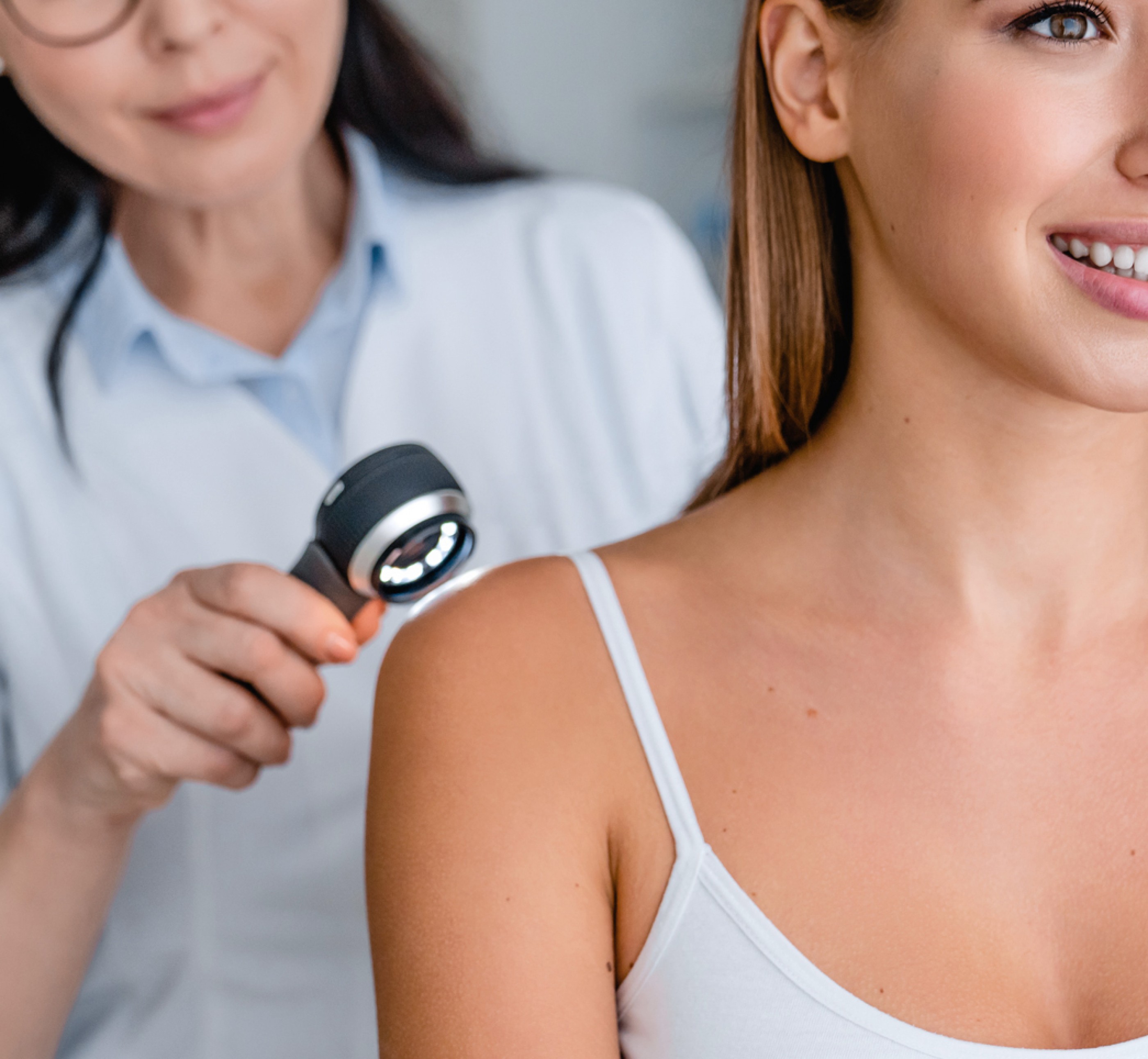
When Should You See a Dermatologist?
Schedule a visit if:
• Redness or flaking is persistent
• You’re uncomfortable or self-conscious
• OTC treatments don’t work
• You’re unsure if it’s seborrhea, rosacea, or eczema
A dermatologist can give you a clear diagnosis and an individualized treatment plan tailored to your skin type.
Call (470) 769-9400 or Book your visit online
A Supportive Note for Patients
If you’re struggling with facial redness, flakes around your nose, or irritation that keeps returning, I see you. Seborrheic dermatitis is incredibly common and very manageable with the right approach. If you're in Sandy Springs or the Atlanta area, our dermatology team is here to help you get clarity, comfort, and long-term relief.